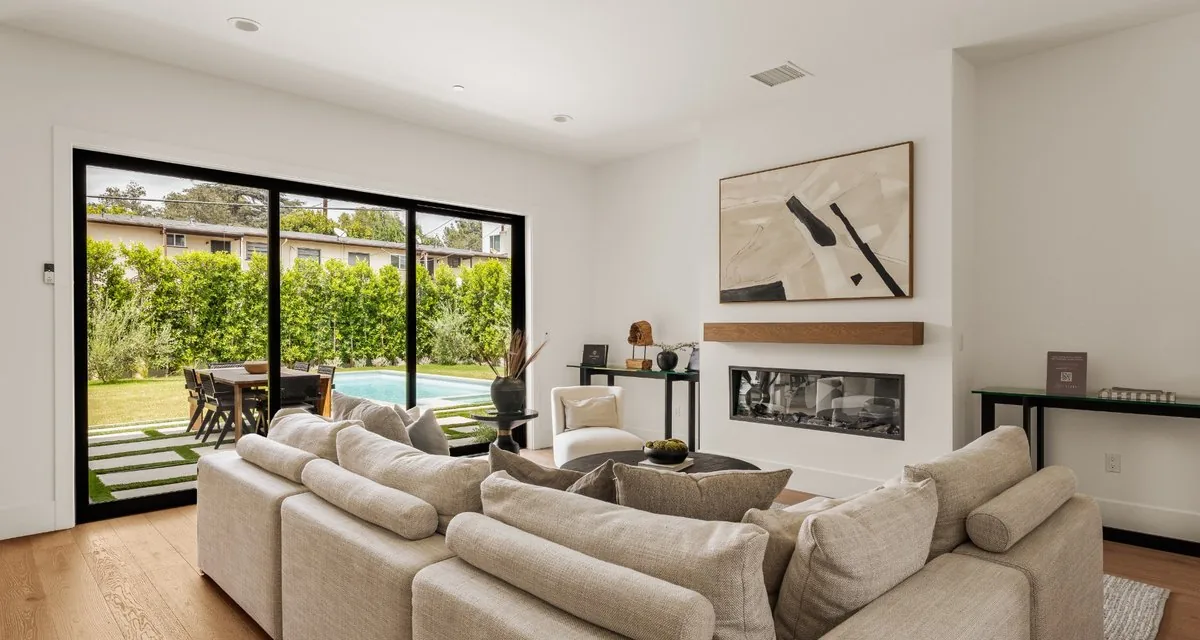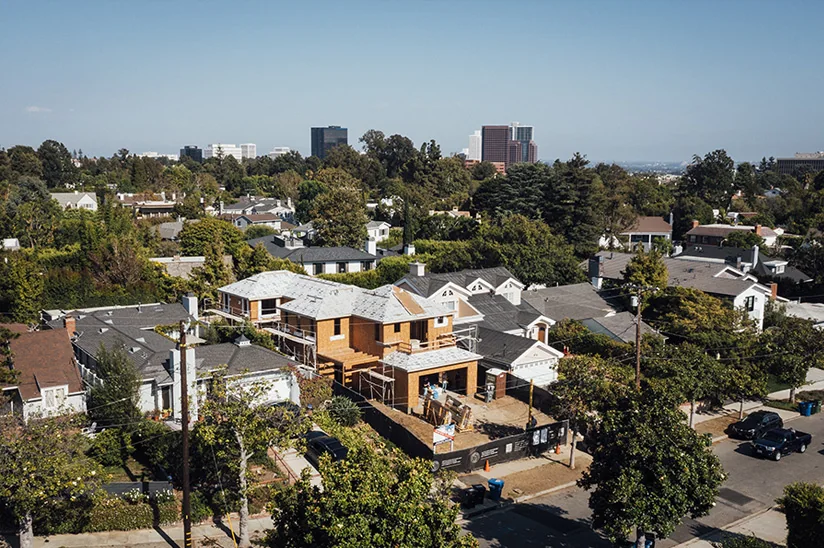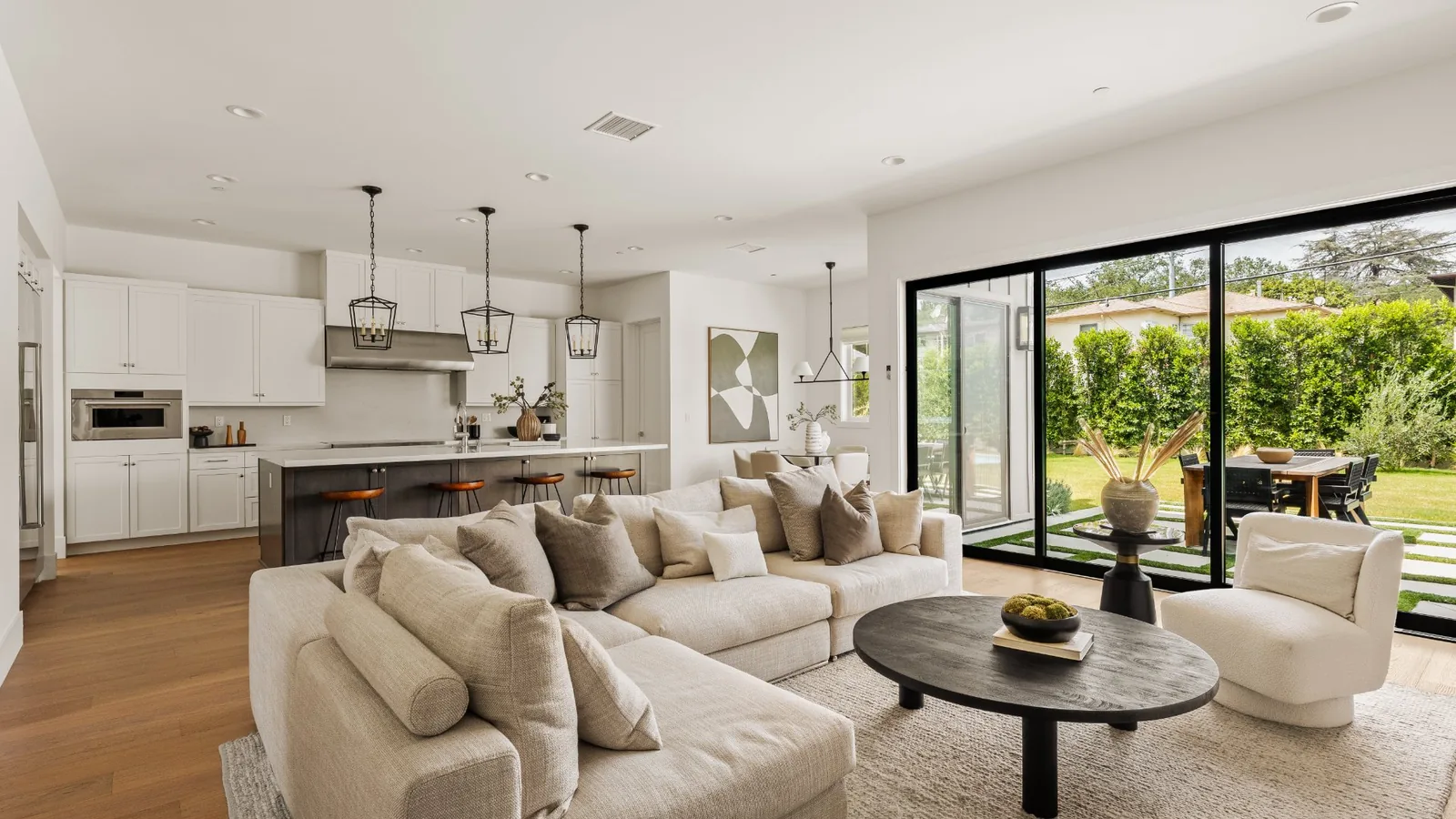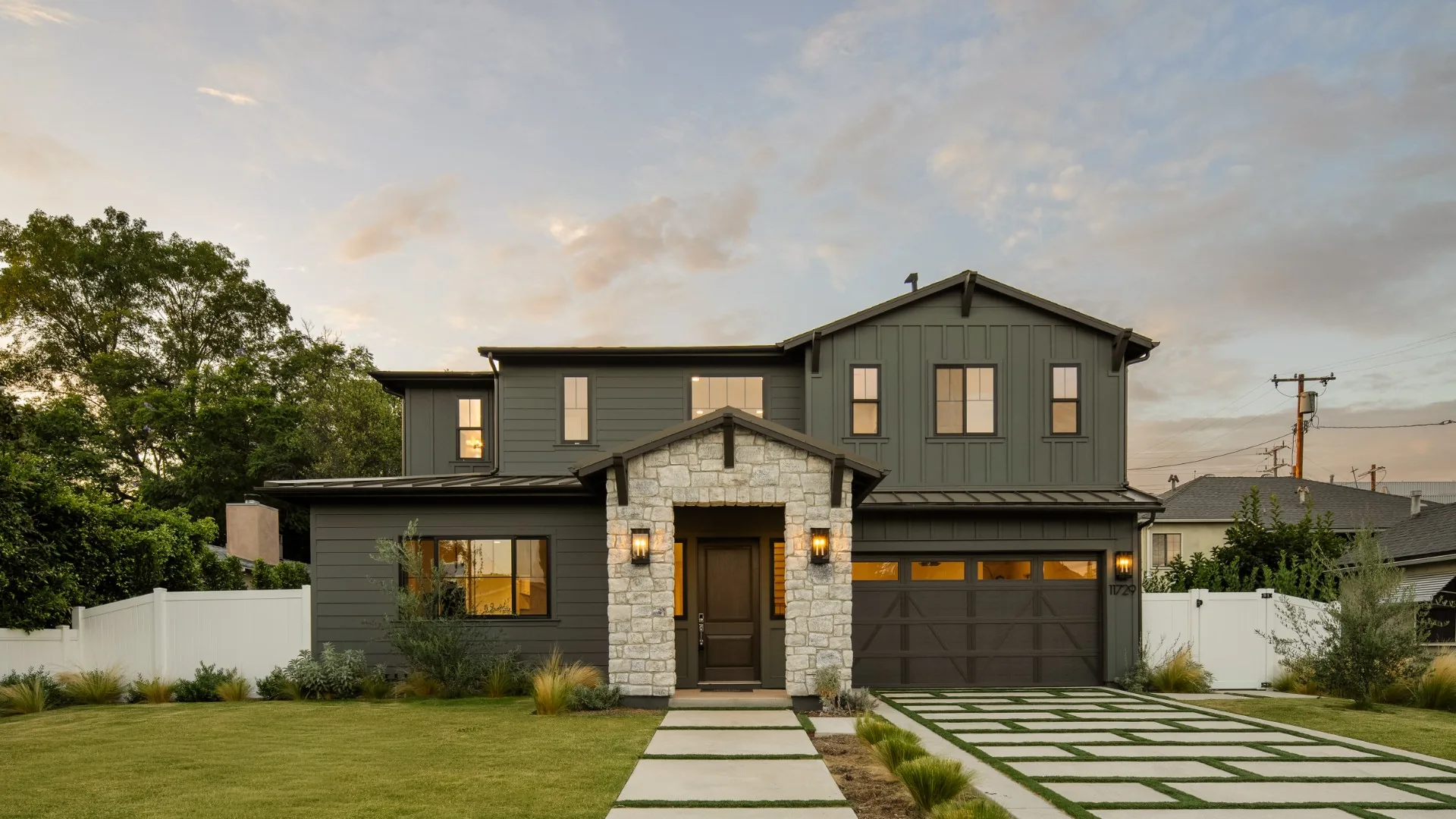
Already built
A brand-new, never-occupied home that is already built or nearing completion, whether detached, attached, or condominium.

NEW CONSTRUCTION IN THE LOS ANGELES SOUTH BAY
Should you pay a premium for a finished new home, or buy an older property and create the home you want?
How this market really works
New construction works differently in the South Bay. In Manhattan Beach, Hermosa Beach, Redondo Beach and much of the surrounding area, buyers are rarely choosing among large communities of new detached tract homes. More often, the choices include a completed new or spec home, new attached or small-lot construction, a substantially remodeled home, or an older property where the value may be as much in the land as in the house itself.
Aside from my focus on the LA South Bay and Beach Cities, you may also know me as one of Southern California’s leading new construction home experts, especially if you have seen my YouTube channel or followed my work helping buyers navigate new-home communities, builders and new-construction purchases throughout Southern California.
That experience becomes particularly useful in the South Bay, where buying a new home may require a very different strategy. I can help you compare the premium for a finished new home with the cost and possibilities of buying an older property to remodel or rebuild, help identify properties that may work for what you want to build, and introduce you to my home builder partners and other professionals who can help determine what is actually possible before you commit to the purchase.
Sometimes the right new home is already built. Sometimes the opportunity is the property underneath the older one.
01
What “new” means
When a buyer tells me they want a new home, the first thing I want to know is what they actually mean by “new.” In the South Bay, that can point to several different options:
Already built
A brand-new, never-occupied home that is already built or nearing completion, whether detached, attached, or condominium.
No project
A recently rebuilt or comprehensively remodeled home that offers a modern floor plan, updated systems and current finishes without taking on a construction project.
Your design
An older property that can be substantially remodeled or expanded to create the home you want.
Land value
A property purchased primarily for the lot, where the existing home may be removed and replaced with a new one.
Those choices involve very different costs, timelines and levels of involvement. Some buyers want a finished home they can move into quickly. Others are willing to take on a longer process to get the location, design or layout they want.
02
The premium
A completed new home usually costs more than the older property that may have occupied the same lot, but you are paying for more than new finishes and appliances. The builder has already acquired and carried the property, designed the home, worked through approvals, financed and managed construction, and taken on much of the risk of getting from an old house or vacant lot to a finished home.
For a buyer, the comparison is really about what matters more:
You know what the home looks like, what it costs, and when you can move in. You avoid managing a long design and construction process.
You have more control over the design and may be able to put your money into the location and features that matter most to you, but you also take on the time, decisions, financing and uncertainty that come with the project.
I would not assume that building is automatically cheaper. The fair comparison is the price of the finished new home against the total cost of buying the property, demolition if needed, design and engineering, permits, construction, financing, carrying costs, temporary housing and a realistic allowance for the unexpected.
Sometimes paying the premium for the finished home is worth it. Sometimes buying the right property and creating the home yourself is the better opportunity.
What the fair comparison has to include
03
The lot
An older house may look like an obvious remodel or rebuild opportunity, but the property itself can determine what is realistic. Before buying, some of the questions worth investigating include:
| The question | What has to be checked |
|---|---|
| How much of the lot can actually be built on? | Lot dimensions, setbacks, height limits and other local rules can affect the size and layout of a new home. |
| Are there special restrictions? | Coastal areas, hillside properties, view corridors and some Palos Verdes locations can involve additional review or limitations. |
| Will the site make construction more difficult or expensive? | Slope, soil conditions, narrow streets, limited access, utilities and space for construction equipment can all matter. |
| What are you actually buying today? | Existing permits, legal unit count, easements, nonconforming structures or other conditions may affect the options. |
| Does the complete project still make financial sense? | The purchase price is only the beginning. Design, demolition, construction, financing, carrying costs and unexpected site work all have to be considered. |
This is also where my builder network can be especially useful. When appropriate, I can introduce buyers to one of my home builder partners or another qualified professional early enough to look at the property and help answer the questions that need to be answered before the purchase is complete.
I am not the architect, engineer or building department, and I do not tell a buyer exactly what can be built. My job is to help identify the questions early and get the right people involved before a buyer discovers an expensive problem after closing.
04
Ways to build
Once you have the right property, there are several ways to approach the design and construction.
| Route | How it works |
|---|---|
| Build from one of my builder partners’ existing plans | For buyers who do not need a completely custom architectural design, this can be one of the most economical approaches. You select from available home plans, make choices about finishes, materials and other options, and the builder handles the design adaptation, permitting and construction process. It is probably the closest thing to the tract-home buying experience in the South Bay, but with a home that can be substantially more customized and built for your individual property. |
| Architect first | You work with an architect to design a home specifically for you and the property, then select a builder to construct it. |
| Design-build | One company or closely coordinated team handles both the design and construction. |
| Builder first | You begin with a builder, who then works with an architect, designer and engineers to develop a more individualized plan around your needs and the property. |
Even when starting with an existing home design, the plans still have to work for the particular lot. Site conditions, engineering, foundation requirements, zoning and local approvals may require changes.
The right approach depends on how much customization you want, your budget and how much of the design process you want to take on.
05
Beyond the main house
If you are already considering a remodel or rebuild, it can also be worth asking whether the property could accommodate additional living space or another home. Depending on the property and the rules that apply, possibilities may include:
An ADU or JADU for additional living space, guests, an office or rental income.
A new primary home and ADU designed together, rather than adding the ADU later.
Two homes on one property, including the front-house/back-house or “two-on-a-lot” arrangements found in parts of the South Bay.
A duplex or other multifamily configuration where the property allows it.
For buyers interested in one of these options, it makes sense to consider it when evaluating the property—not after the new home has already been designed. The size and placement of the primary house can affect what room remains for anything else.
Buyer questions
New construction and redevelopment work differently across Manhattan Beach, Hermosa Beach, Redondo Beach and the Palos Verdes Peninsula. The city, zoning, lot and sometimes the specific part of town can materially change what is possible, so these answers are a starting point rather than a substitute for reviewing a particular property.
Finding & Buying Existing New Construction
Not many in the core Beach Cities. Most new detached homes in Manhattan Beach, Hermosa Beach and Redondo Beach are individual homes or small projects built on previously developed property rather than large subdivisions. Buyers looking specifically for a traditional new-home community may need to expand the search beyond the core South Bay.
Yes. Finished and nearly finished new homes do come to market, including builder spec homes. Inventory is much more limited than in newer suburban markets, so buyers may need to be patient or consider a home while it is still under construction.
A spec home is developed by a builder without a particular buyer commissioning it first. The builder acquires the property, chooses the design and begins construction for eventual sale. If you buy early enough, there may sometimes be opportunities to select remaining finishes or options, although that depends on the builder and how far construction has progressed.
New townhomes, condominiums and smaller multi-home projects are another source of new-construction inventory in the South Bay. Because the core Beach Cities are largely developed, new housing often comes from redevelopment of existing properties rather than large new subdivisions.
Then it may make sense to widen the geographic search. The core South Bay is largely developed, so the conventional tract-home experience is much more limited here than in newer suburban areas of Southern California.
You are buying more than new finishes. The builder has already acquired and carried the property, designed the home, worked through approvals, financed and managed construction and taken on much of the risk involved in turning the property into a finished home.
Building, Design & Project Economics
Not necessarily. The comparison should be between the price of the finished home and the complete cost of acquiring the property and creating the replacement home—not simply the builder's construction price.
The actual construction is only one part of the budget. Depending on the project, there may also be architectural and design fees, surveys, engineering and soils work, demolition, plan review and permits, utility or sewer work, development or impact fees where applicable, construction financing, insurance, carrying costs, temporary housing and a reasonable contingency for unexpected conditions.
These are often referred to as soft costs and preconstruction costs, as opposed to the labor and materials that physically go into building the house.
Not necessarily. You can commission a fully custom architectural design, use a design-build company, begin with a builder who assembles the design team, or in some cases start with one of a builder's existing plans and customize it for your property.
For buyers who do not need a completely custom architectural design, working from one of a builder's established home plans can be one of the more economical approaches. With some of my builder partners, buyers can select a plan, choose materials, finishes and available options, and have the builder handle much of the design adaptation, permitting and construction process.
It is probably the closest South Bay equivalent to buying from a tract builder, but with a home that can be substantially more customized and built for an individual property.
No. The plan still has to work with the property. Lot dimensions, setbacks, height restrictions, slope, soils, engineering, foundation requirements and local approval rules can require changes to the design.
If the purchase depends on remodeling, expanding or rebuilding, yes. I prefer getting the appropriate builder or design professional involved while the buyer is still investigating the property and has not yet given up the protections provided by the purchase contract.
The answer depends on the condition and layout of the existing structure, the lot, what you want the finished home to become, local rules and the economics of each approach.
Existing nonconforming conditions can also matter. In Manhattan Beach, for example, certain improvements to nonconforming structures are subject to a reconstruction-cost test that looks at proposed work together with certain prior permitted work over a specified period. If the applicable threshold is exceeded, additional conformity requirements can be triggered. Other South Bay jurisdictions have their own rules, so buyers should not assume that a single “50% rule” applies everywhere.
Property, Zoning & Development Potential
No. Total square footage is only part of the story. The dimensions and shape of the lot, setbacks, slope, access, existing improvements and local rules can be just as important. A somewhat smaller lot with a useful building area may work better than a larger property with significant limitations.
Potential issues include zoning, lot dimensions, setbacks, allowable height, easements, existing legal uses, slope, geology and soils, drainage, utilities, driveway and construction access, parking requirements and any special review that applies to the property.
It can. Coastal properties may be subject to additional rules or review depending on the location and scope of the project. That can affect design, timing and the approval process, so I would not assume that a project that works on an inland property will necessarily work the same way closer to the coast.
Potentially, and if an ADU is part of the long-term plan it can make sense to consider both from the beginning. The placement of the main house can affect access, privacy, parking, outdoor space and how much usable room remains for the ADU.
Some properties can. Depending on the parcel and the rules that apply, possibilities can include an ADU or JADU, two-on-a-lot arrangements, a duplex or other permitted multifamily use, and on qualifying single-family properties, development or an urban lot split under California SB 9.
SB 9 does not mean every single-family lot can automatically be divided or developed with four homes. Eligibility requirements, existing housing conditions, lot configuration, local objective standards and other restrictions still have to be reviewed for the particular property.
Your next move
Call or email Steve to compare neighborhoods, understand the tradeoffs, and identify the homes that best fit your priorities and budget.